
Australia’s wealthiest suburbs are racing away from their poorer neighbours, recording up to twice the rate of growth in incomes since 2010.
New figures show median incomes have grown by just 15 per cent since 2010 across outer Sydney and outer Melbourne – barely keeping up with the cost of living – while suburbs such as Manly on Sydney’s north shore enjoy growth rates of 30 per cent, twice the level of inflation.
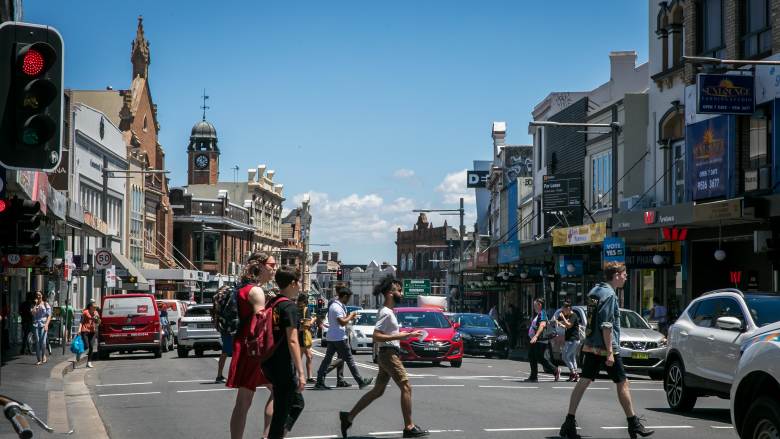
Suburbs in the inner-Melbourne areas of Yarra, Bayside and Stonnington, where median incomes are up to $60,000, saw pay rises of between 18 and 21 per cent between 2010 and 2016.
By contrast, the 67,000 working residents of Melbourne city – which is dominated by international students and casual workers.
Residents of Merrylands, Fairfield, and Auburn were not so fortunate. The western-ring of suburbs where up to 56 per cent of residents are born overseas have a median income $30,000 less than their coastal neighbours.
Most received a pay rise that barely kept up with inflation. Auburn residents received a pay cut, ending up 2 per cent or $865 worse off than they should have been in 2016.
A male manager living in Manly saw his median income soar from $104,000 in 2010 to $126,831 in 2016 – a 22 per cent jump. A male manager in Campbelltown or Gippsland received a pay rise of just 7 per cent.
There are 123 suburbs with a category for high earning professional males – teachers, doctors, lawyers – before a single female professional category makes it on the list.
When they do, they are living in North Sydney, earning a median income of $80,671.
Shopkeepers and checkout operators in Port Phillip earn twice as much as they do in Melton. Likewise machine operators in Penrith earn double that of those living in Stonnington.
Over the six years, aged care and social work community service workers took a pay cut in the inner-west suburbs of Marrickville, Sydenham and Petersham, just as the National Disability Insurance Scheme-driven boom started to kick into gear.
The 30,000 community service workers in Maribyrnong in Melbourne’s north-west did not do much better, taking home pay rises that fell 4 per cent short of inflation over more than half a decade to bring their median income to $33,000.
The bureau’s head of labour statistics Bjorn Jarvis said Australians earned a median personal income of $47,692 in 2015-16, an increase of 1.8 per cent from the previous year.
“The data provides a comprehensive set of income indicators, which gives a better understanding of income distribution across the country and how that distribution is changing,” he said.
The figures are likely to be latched onto by both Labor and the Coalition as evidence for their competing tax plans in the final policy showdown before Parliament rises before the winter break.
The government is determined to push through its full $144 billion income tax package this week in a bid to deliver tax cuts to workers in areas struggling with low wage growth from July 1.
Labor revealed on Monday that it would block the income tax cuts. It has accused the government of giving a separate $65 billion “hand-out to big business” through company tax cuts at the cost of workers.